
Introduction
Take a trip to the Island of the Gods! Bali is one of the most popular tourist destinations in the world. Located in Indonesia, Bali is famous for its beautiful beaches, culture and landscapes. Having been twice, I can attest to its serene and peaceful vibe…except the roads. The roads can be chaotic, but in a way, sort of fun. Riding through the island on a motor scooter can be dangerous and risky, but if you’re up for it, it can be a beautiful (and convenient) and unique way of exploring Bali.
Visiting a few of the 10,000 Hindu temples (or puras) scattered throughout the island brought my mind much-needed clarity and peace as well as insight to Balinese Hindu culture. I highly recommend reading this guide to learn the proper etiquette and be adequately prepared when visiting these sacred places.
There is no shortage of activities and experiences Bali provides! If you plan to visit Bali, you might be busy. Learn the best ways to get around and some ‘can’t miss’ opportunities during your stay!
Planning Your Trip
Bali is considered one of the most budget friendly for foreign travelers.
Budget: $30-50/day
If you’re conservative or traveling on a shoestring budget, such as a backpacker would, you could manage on $30-50/day or even less. Accommodations would most likely include a hostel, which may cost anywhere between $5-$30 a night, street food or a modest restaurant and an activity/tourist attraction or two.
Mid-range: $50-$150/day
You may spend $50-$150/day. More than likely, a mid-range traveler would be staying in a decent private hotel room, dining in restaurants and purchasing group or private tours and attractions.
Luxury: $150+/day
Likely to spend upwards of $150/day. Resorts can be anywhere from $40/day and up, but I would assume the rest of the expenses would be on “non-essential” purchases to spend more than $150/day.
💡 Pro Tip: Book stays with free cancellation and reposition by scooter or driver as you learn traffic patterns.
When booking your flight, Ngurah Rai International Airport (DPS) in Denpasar is the main entry point to Bali. Depending on where you are coming from, expect a layover as many international flights do not fly direct.
I use budget friendly sites such as:
- SkyScanner
- Kayak
- Expedia
- Momondo
- Google Flights
- Kiwi
From the airport, you can reach popular tourist areas by taxi, private transfer, or ride-hailing services such as Grab. I highly recommend having the Grab app downloaded. It’s the Southeast Asian Uber or Lyft!
Longer Stays: For trips longer than 60 days, you can consider the B211A visa, which allows longer stays, but must be arranged through an agent before arrival. Make sure to bring documentation such as proof of sufficient funds and accommodation details. Note that overstaying any visa results in fines of about 1 million IDR ($65 USD) per day.
Also keep in mind, there are no COVID-19 testing or vaccination requirements for entry, though travel insurance is recommended.
Additionally, travelers should expect to pay a new tourist levy of 150,000 IDR (approximately $10 USD) upon arrival in Bali (as of 2023).
Bali has a tropical climate with two main seasons:
- Dry Season (April to September): This is the best time to visit Bali, with sunny days, low humidity, and clear skies.
- Rainy Season (October to March): Expect higher humidity and frequent rain showers, especially in the afternoons. However, it can be less crowded and prices may be lower.
Many nationalities can enter visa-free for up to 30 days.
For longer or more flexible stays, use VOA (Visa On Arrival) (~$35, 30 days + one 30-day extension) or e-VOA (apply online in advance).
Passport must be valid 6+ months beyond arrival; you’ll need a return or onward ticket.
For trips longer than 60 days, consider the B211A visa arranged via an agent prior to arrival.
Overstays incur fines of ~1,000,000 IDR (≈$65 USD) per day.
💡 Note: As of 2023, travelers should expect to pay a new tourist levy of 150,000 IDR (~$10 USD) on arrival. COVID-19 testing or vaccination requirements are not in effect, but travel insurance is recommended.

Getting Around
The ride sharing app Grab is a very popular option for tourists when visiting Bali.
It’s the Uber or Lyft in Southeast Asia. Just download the Grab application on your smartphone and select a driver.
Just be sure that you want a car. Some Grab drivers will show up on a motorbike and you’ll have to ride on the back with a little helmet on.
So if you aren’t down for that, then be sure it’s a car.
Alternatively, you can hire a Private driver. In fact, many of the Grab drivers will offer you their private driver services.
You can hire one as you leave the airport and they’ll take you to your destination. You could hire them for the day and they’ll take you wherever you want and wait.
If you hire a nice one (which most of them are), they’ll even give you their local input on where to go, restaurant recommendations etc.
This is a popular and convenient way to explore the island as you can squeeze through car traffic and travel anywhere at your leisure, but be cautious of the chaotic traffic and road conditions.
You’ll find that traffic can cause extreme chaos in Bali, which makes even near-by destinations take forever to get to by car or bus.
If you are comfortable with riding a motorbike or scooter, then I recommend this – but do so at your own risk.
These are the slowest transportation options on the island and undoubtedly the least used option by tourists, but if you are on a tight budget and have a lot of time on the island, then these may be options for you.
Buses
Several bus companies on the island include Trans Sarbagita, Perama Tours, and Kura-Kura bus. Some of the bus companies have limited routes and run on certain schedules. I suggest visiting 12go.asia website and look at the routes. If you choose the bus option, then I suggest purchasing or booking a ticket at least a day in advance, especially if you plan on traveling to popular destinations like Ubud.
Bemos
These are mini-vans that can be quite cheap and be booked pretty much at any travel agency. I prefer these over public buses as they will take you to any destination you request and typically will pick you up from your accommodation.
Featured Destinations

Seminyak & Kuta
Seminyak and Kuta are upscale areas adjacent to each other with chic boutiques, high-end restaurants, and beach clubs! Seminyak was the first area I stayed in during my first trip to Bali. Be prepared to encounter many tourists, but plenty of places to eat, drink and shop! So, if you are looking for trendy beach clubs and areas to party, then Seminyak may be a place to check out.
Accommodations

Luxury: The Stones Hotel – Legian, Bali
Located in Kuta a few steps away from Kuta beach, this lovely 5-star hotel has large spacious rooms and guest suites, an impressive pool and delicious restaurants within the hotel and just a short walking distance.

Be advised, this is a party hostel! But, it’s probably one of the best and most comfortable hostels I’ve ever stayed in.
24 hour reception, free family dinner (most of the time), a bar with cheap drinks and most importantly, spacious capsule beds in an air conditioned dorm.
There are also deluxe private rooms available as well! It’s located a short walk to most of the bars, restaurants, shops in Seminyak and about a 20 minute walk to the beach.
Eat & Drink

- Take a dip in the infinity pool, then lay out on a daybed while enjoying the ocean side views! It’s a great place to swim all day and dance all night to live music.
- The menu includes a variety of drinks and cocktails as well as an international menu of western fusion with traditional balinese dishes
Top Activities

Day trip to Tanah Lot Temple: Iconic sea temple on a rock outcrop — best at sunset; artisan market along the approach.
- This is absolutely my favorite temple to visit in Bali. The iconic sea temple is perched on a rock formation and best visited at sunset. As you make your walk to the beach, you will be able to pass through the artisan market in which you can find some neat linens and hand-made crafts to add to your bag of souvenirs.

Uluwatu
Perched on the southern tip of Bali’s Bukit Peninsula, Uluwatu is renowned for its stunning cliff top views, world-class beaches with surf breaks, and the iconic Uluwatu Temple. The limestone cliffs that overlook the crystal waters make it a popular spot for sunsets and photography. Many visitors head to the Uluwatu temple around sunset to catch a traditional Kecak fire dance, adding a cultural touch to the breathtaking scenery.
Uluwatu isn’t walk-friendly—you will most likely need to hire a driver or rent a motor scooter to get around. Most accommodations in this area are resorts or luxury boutique hotels, but if you are looking to get away from the crowds somewhat, then Uluwatu may be the place for you.
Accommodations

Bali has no shortage of beautiful 5-star resorts and Renaissance Bali Uluwatu Resort & Spa is one of them.
After about a month of traveling Thailand, my girlfriend Nicole and I decided to treat ourselves to a week-long stay at a 5-star resort in Bali.
Enjoy scenic ocean views, fine dining from several on-site restaurants and bars, or relaxing at one of the 2 outdoor pools – all for a fraction of what you’d pay in America!
Eat & Drink

We found this cute little restaurant just up the road from the place we rented our motor scooter for the week.
We were just looking for a place to eat, but instead, we found a beautiful open space natural restaurant with a delicious menu that ranges from traditional Balinese dishes to international favorites.
I recommend trying one of the pizzas or the Balinese curry!
Top Activities

Uluwatu Temple & Attend the Kecak Fire Dance
Another beautiful cliffside temple and one of Bali’s most famous. Pura Luhur Uluwatu sits dramatically on a 70-meter-high cliff and offers stunning ocean views. Here, you can visit at sunset and attend the popular traditional Kecak dance performance. I highly recommend booking the ticket at least a day in advance.
The Kecak Fire Dance is an experience you shouldn’t miss out on! A traditional Balinese dance that follows the story of the Ramayana and is traditionally performed in temples and villages across Indonesia. This tradition is a cultural heritage to ward off bad luck.
- Cost for a ticket: ~150,000 IDR. There are also packages that include entrance to the Uluwatu temple and to the performance.
⚠️ Caution: There are a lot of monkeys that will not hesitate to swipe some of your dangling belongings on your bag (especially food!), so make sure your things are secure…and try not to make eye contact with them.
Other things to do in Uluwatu

- Go Beach-Hopping
- Uluwatu is home to some of Bali’s best beaches, including Padang Padang Beach, Dreamland Beach, and Bingin Beach. Each offers white sands, crystal-clear waters, and great surf.
- Surf World-Class Waves
- Uluwatu is a surfer’s paradise, with legendary breaks like Uluwatu Beach, Dreamland beach, Suluban Beach, and Thomas Beach drawing surfers from around the globe. The whole vibe is all around Surfing.
- Relax at Beach Clubs
- Spend the day at one of Uluwatu’s luxurious beach clubs. We decided to go to: Timbis Beach Club, located in the south-east of the Peninsula.
- Enjoy the Sunset at the Cliffs
- Watch Surfers during the Day, watch the Sunset and have a nice Cocktail with a Live DJ setting the Mood. Legendary Single Fin is a club attracting people from all over the world.

Ubud
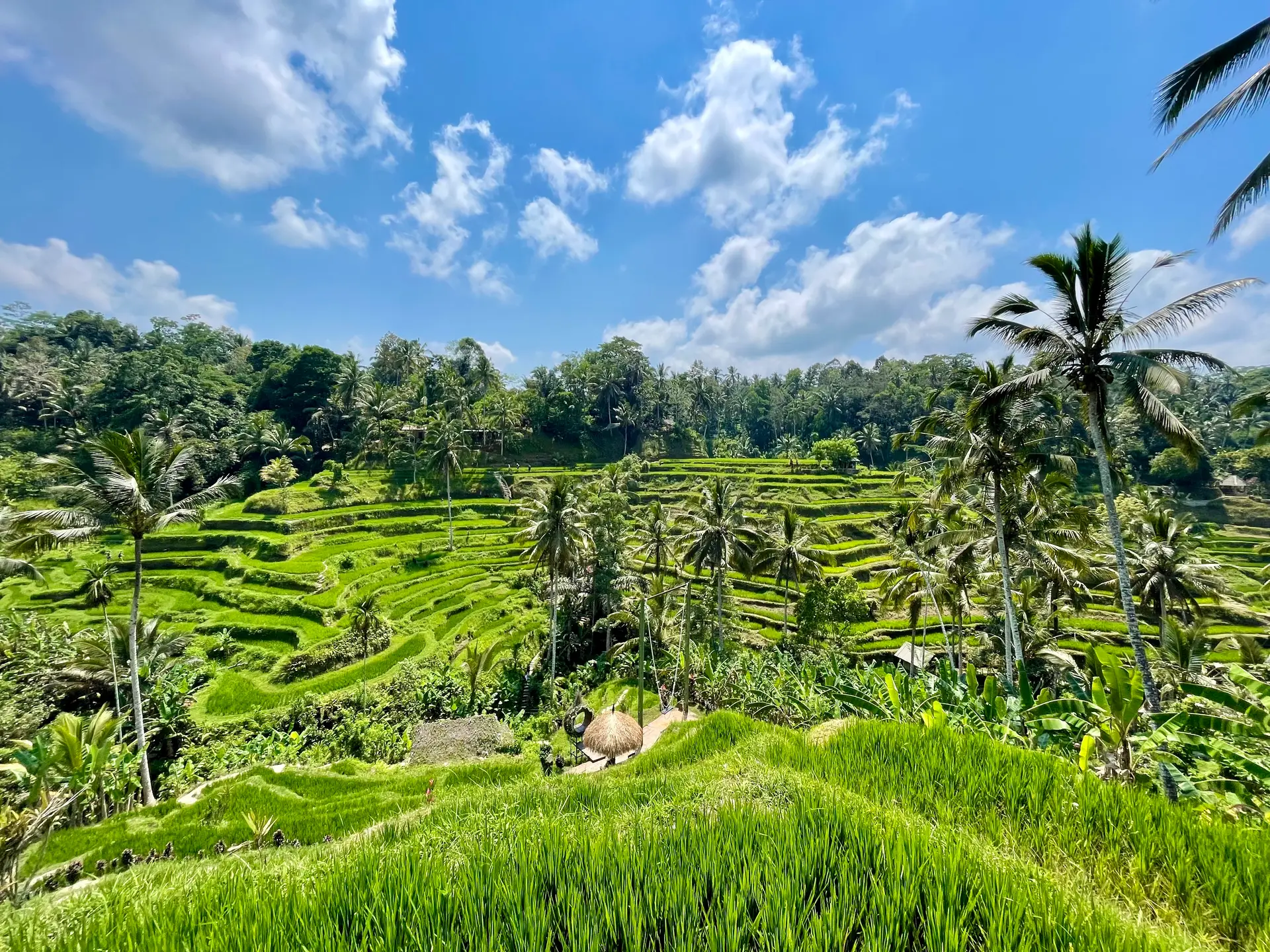
Nestled in the lush highlands of Bali, Ubud is a haven of rich culture, stunning landscapes, and deep spiritual roots. Known for its terraced rice paddies, vibrant arts scene, and serene temples, this charming town offers a perfect blend of relaxation and adventure. Whether you’re exploring the Sacred Monkey Forest, wandering through bustling markets, or immersing yourself in traditional Balinese dance performances, Ubud is a place where nature, creativity, and spirituality come together in perfect harmony
Accommodations

I didn’t stay in a luxury resort the times I visited Ubud; however I met several people who were staying in this resort and had great things to say about it. What I love about it is not just the way it looks, but also the location. It’s situated right in the heart of Ubud.
So, if you are looking for a luxury resort for a decent price, I’d choose this one! Although, there are PLENTY of accommodation options in Ubud – I mean PLENTY!
You will not have a problem finding a place to stay that will accommodate to any budget. Obviously, the more luxurious, the more expensive; however it is still a fraction of what you’d pay in the United States or Europe.

Budget: The Happy Mango Tree Hostel
My first trip to Ubud, I stayed here for 2 nights and it was perfect for me. It’s definitely not a luxury hotel, but if you are looking for something cozy and cheap, then I recommend Happy Mango Tree Hostel.
It’s very easy to meet other travelers (if you’re a social butterfly) while partaking in their cooked-to-order breakfast that’s served daily. You’re also very close to the center and historical sites such as Ubud Palace and Yeh Pulu Temple.
Eat & Drink

I stumbled upon this place during my stay in Ubud, it’s a great place to enjoy Asian and Mediterranean dishes and cocktails. I recommend going at night where they have the best live music in town!
Try this dish: Sate Ponorongo

You can find this dish in pretty much every restaurant that serves Balinese food!
Top Activities

Visit Pura Tirta Empul (Water Temple)

Located about 30 minutes north of Ubud, Tirta Empul contains a fresh water spring which Balinese Hindus consider to be holy and worshippers will undergo ancient purification bathing rituals in which any visitor is welcome to participate in, however you must rent their sarong and sash in order to use the baths, which is available as well as a locker to place your clothes and belongings.
- Entrance fee is 50,000 IDR for tourists, not including sarong and sash rental if you plan to use the baths.
Visit Goa Gajah, the Elephant Cave

A hindu shrine built in the 9th century dedicated to the Hindu god Ganesha. This shrine is quite mysterious, but offers a great opportunity to learn Balinese history. The menacing faces carved into the stone around the entrance of the shrine are intended to ward off evil spirits as believed by scholars. If you’re claustrophobic, I’d enter the temple with caution. It’s a tight space…and not-well lighted. The entrance to the cave is a giant face with a gaping mouth, representing the entrance to the “underworld”. It is a sacred ground with nearby ruins and gardens, which makes for a very interesting visit.
- The cost to enter the grounds is ~50,000 IDR. I recommend hiring a guide to provide context to what you are visiting.
Yoga and Wellness Retreats

A must do experience! Ubud is a hub for yoga enthusiasts and wellness seekers, offering numerous retreats and classes.
Do go chasing waterfalls

Visit beautiful waterfalls like Tegenungan, Gitgit, and Sekumpul for a refreshing swim.

Munduk
Located in the lush highlands of North Bali, Munduk is a hidden gem known for its cool climate, breathtaking waterfalls, and scenic rice terraces. This region offers a refreshing escape from Bali’s coastal heat, making it a haven for nature lovers and adventure seekers. Hiking trails lead to stunning sights like Munduk and Melanting Waterfalls, while the surrounding coffee plantations provide a taste of Bali’s rich agricultural heritage.
Munduk is best explored by scooter or private driver, as the roads can be steep and winding. Accommodations range from cozy eco-lodges to boutique resorts, offering stunning views of the misty mountains.
Accommodations

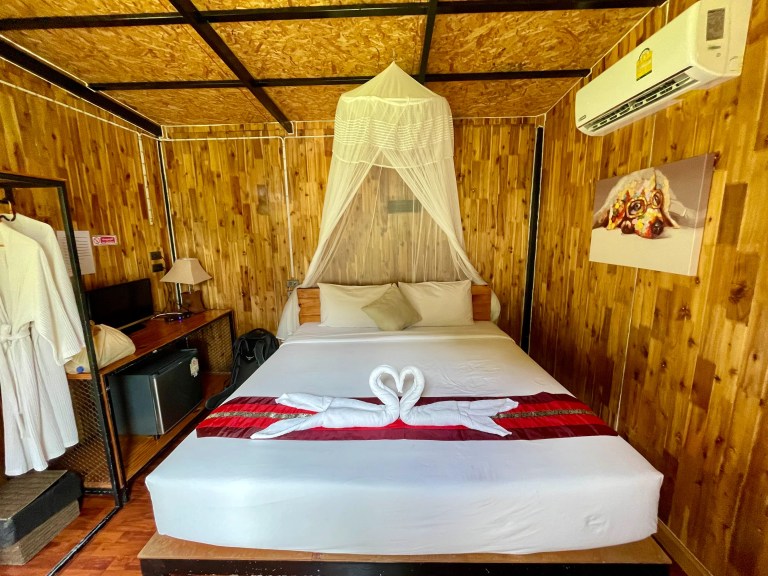
We had a wonderful (and quiet) stay in the middle of Rice Terraces, which are still being cultivated by the family that owns the place. Make sure to drop a booking early since at the time of our stay they had three huts available. They can also organize transportation and rent out scooters
There are plenty of accommodations available in the Munduk area. Keep in Mind that the area is spread out quite a bit and there isn´t “the Munduk”.
Eat & Drink

Tucked away in the hills, Warung Classic serves up authentic Balinese cuisine with stunning valley views. The family-run restaurant is known for its warm hospitality and delicious homemade dishes like nasi campur and grilled fish. Don’t miss their fresh juices and locally sourced coffee – a perfect way to enjoy Munduk’s serene atmosphere.
Top Activities

Waterfall Treks

Munduk is famous for its waterfalls, and trekking through the lush jungle to reach them is a must-do experience.
A lesser-known gem, offering a refreshing pool at its base. The hike is moderate, passing through coffee plantations and bamboo forests.
Munduk Waterfall
One of the easiest to reach, this stunning waterfall cascades down into a small pool surrounded by greenery. A short and scenic walk from the main road. You can also reach the Red Coral Waterfall. Start your trek at Red Land Warung (Good spot to overcome hunger as well)
Melanting Waterfall
A more challenging trek, but worth it for the dramatic drop and peaceful surroundings. The path is lined with spice trees and coffee plants.
Golden Valley Waterfall
Hidden away in a tranquil jungle setting, this waterfall is part of a small eco-resort where you can grab a fresh coconut or Balinese coffee after your trek.
Labuhan Kebo Waterfall
Exploring the Pura Ulun Danu Bratan (One Hour from Munduk)

One of Bali’s most iconic temples, Pura Ulun Danu Bratan, is just an hour’s drive from Munduk. Situated on the shores of Lake Bratan, this floating temple is dedicated to the water goddess Dewi Danu and is surrounded by misty mountains, creating a mystical atmosphere.
Things to do here:
- Take a boat ride on the lake to see the temple from different angles.
- Visit the gardens surrounding the temple.
- Capture stunning photos, especially in the early morning when the lake is calm.
- Learn about Balinese Hindu culture and the temple’s role in irrigation systems.
The temple can get crowded, so it’s best to visit early in the morning or later in the afternoon to avoid the rush. Entry fees are required, but they are affordable and well worth the experience.
Other things to do in Munduk

Drive around the hills with a scooter – Getting on a scooter is a good hint for every town in South-East-Asia. If you feel comfortable riding one it’s a good way to explore the highlands at your own pace. If not, no worries, there are plenty of drivers able to help you.
Visit Twin Lakes (Tamblingan & Buyan) – These stunning crater lakes, surrounded by dense rainforest, are perfect for a peaceful escape.
Hike through Rice Terraces – Munduk’s terraced rice fields are less touristy than those in Ubud, offering a quiet and picturesque setting for a morning walk.
Essential Tips
Cultural Etiquette
- Dress modestly when visiting temples
- Remove your shoes before entering homes or temples
- Be respectful of local customs and traditions.
Currency
Indonesian Rupiah (IDR). ATMs are common; cards accepted at most hotels/restaurants.
Tipping
Tipping in Bali is appreciated, but not mandatory.Many places add 10% service charge to the bill. Polite to tip 20,000 to 50,000 IDR to bellhops and housekeepers, concierge or villa staff.
Taxi drivers rounding up to the nearest IDR is common. 50000 to 60000 is standard. Also, for Tour guides and Spa therapists.
Language
- Main languages: Balinese, Indonesian, and English.
- Greetings: Om swastiastu [SWAS-TI-AS-tu] is a formal greeting in Balinese that involves putting your hands together in front of your chest
- Thank you: Suksma is a polite way to say “thank you” or Matur suksma is a more polite way to say “thank you very much” in Balinese
Electricity
Bali’s electricity operates at 220-240 volts with a frequency of 50 Hz. The most commonly used plug types are Type C (two round prongs) and Type F (similar to Type C, but with additional grounding clips). These plug types are widespread in Europe, so travelers from countries with similar systems may not need an adapter.
If you’re traveling from places like the United States, Canada, or Japan (which use 110-120 volts), you’ll need a voltage converter in addition to a plug adapter, especially for non-universal appliances.
Many modern devices (like laptops and phone chargers) can handle both voltages, so check the label on your electronics for “100-240V” compatibility to be sure.
Adapters are easy to find in Bali at hotels, convenience stores, or markets, often costing just a couple of dollars. However, it’s recommended to bring a universal travel adapter from home to ensure compatibility and avoid any issues.
Packing Guide: Bali

Pack light, breathable layers for the tropics, a rain jacket in the wet season, a temple-appropriate outfit, travel meds, a waterproof bag for scooter days, a quick‑dry towel, universal adapter and power bank, insect repellent, reef‑safe sunscreen, and copies of passport/IDP.
Bali FAQ
Do I need an international driver’s permit for scooters?
Highly recommended. Police may ask for it during checks, and rental shops expect you to ride with a helmet.
Is Grab available everywhere?
Yes in most hubs, but some areas have local restrictions near temples or beaches. A private driver is a solid fallback.
What is a good amount of time for Bali?
7–10 days gives you a balanced loop: 3 nights Seminyak, 3 Ubud, 2 Uluwatu, with a Munduk day trip.

Conclusion

Bali is a destination that captivates visitors with its natural beauty, rich culture, and warm hospitality. Whether you’re seeking adventure, relaxation, or cultural experiences, Bali promises an unforgettable travel experience!
See you out there!